Understanding the Science Behind SiO2 Ceramic Coatings and Their 9H Hardness in Ceramic Coating Albuquerque
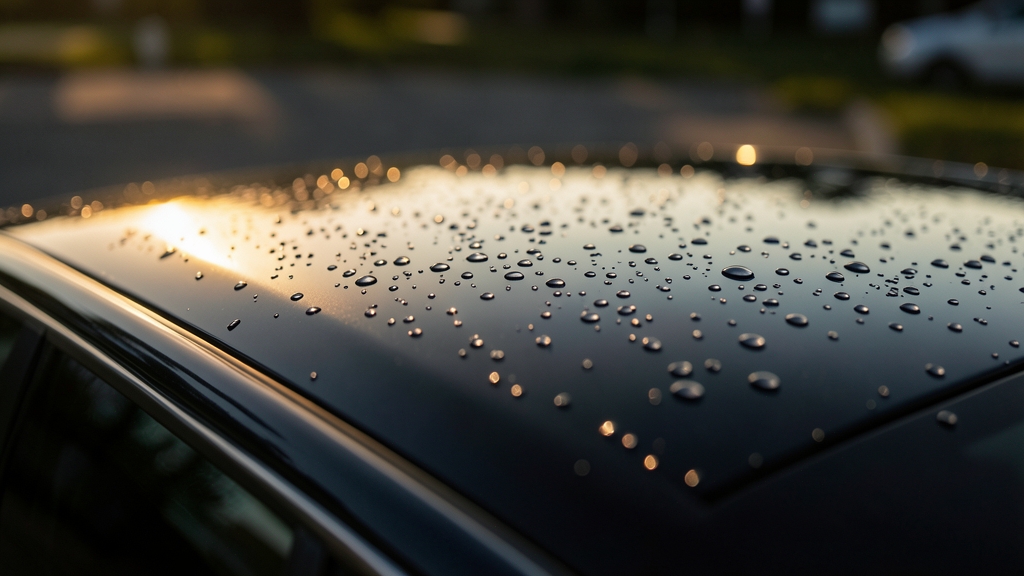
SiO2 ceramic coatings have revolutionized paint protection, offering unmatched durability and a 9H hardness rating that shields vehicles from Albuquerque’s intense sun, road debris, and environmental contaminants. We break down the chemistry and real-world benefits behind this technology.
What Is SiO2 and How Does It Form a Protective Layer?
SiO2, or silicon dioxide, is the primary ingredient in most high-end ceramic coatings. It forms a nano-ceramic network that bonds molecularly with your vehicle’s clear coat.
This cross-linking creates a semi-permanent shield, far tougher than traditional waxes or sealants. The result is a glass-like surface that repels water, dirt, and UV rays.
The Meaning of 9H Hardness in Ceramic Coatings
The 9H rating refers to the pencil hardness test, where a coating resists scratching from a 9H-grade pencil—the hardest on the scale. This doesn’t mean scratch-proof, but it significantly reduces fine scratches and swirl marks.
In Albuquerque’s dusty, high-altitude environment, 9H hardness helps combat micro-abrasions from sand, gravel, and even harsh car wash brushes.
Hardness is just one factor. Thickness, hydrophobic properties, and UV resistance also determine real-world performance. Always verify the coating’s full spec sheet.
How SiO2 Coatings Compare to Other Paint Protection Methods
Unlike waxes or sealants that degrade in weeks, SiO2-based ceramic coatings last 2–5 years with proper care. They also outperform paint protection film (PPF) in hydrophobic performance, though PPF excels at impact resistance.
For Albuquerque drivers, combining a ceramic coating with PPF offers the ultimate defense against both chemical and physical damage.
| Protection Type | Durability | Scratch Resistance | Hydrophobic | UV Protection |
|---|---|---|---|---|
| SiO2 Ceramic Coating | 2–5 years | 9H hardness | Excellent (110°+ contact angle) | High |
| Carnauba Wax | 1–3 months | Low | Good (80–100°) | Moderate |
| Synthetic Sealant | 6–12 months | Moderate | Good (90–110°) | Moderate |
| Paint Protection Film (PPF) | 5–10 years | High (self-healing options) | Moderate | High |
The Role of Cross-Linking in Long-Term Durability
SiO2 molecules cross-link with the clear coat, creating a three-dimensional matrix that won’t wash off or break down under UV exposure. This is why ceramic coatings maintain gloss and protection far longer than surface-level products.
Albuquerque’s 300+ days of sunlight accelerate oxidation in unprotected paint. A properly applied SiO2 coating blocks 99% of UV rays, preventing fading and dulling.
Hydrophobic and Self-Cleaning Properties Explained
The nano-ceramic structure creates a surface so smooth that water beads up and rolls off, carrying dirt and contaminants with it. This self-cleaning effect reduces the need for frequent washes.
In areas like Rio Rancho or Corrales, where dust storms are common, this property keeps vehicles cleaner between washes and minimizes water spotting.
Use pH-neutral car shampoos and avoid automatic car washes with harsh brushes. Reapply a ceramic boost spray every 6–12 months to refresh the hydrophobic layer.
Does 9H Hardness Prevent All Scratches?
While 9H hardness resists fine scratches from keys, fingernails, or light debris, it won’t stop deep scratches from rocks or intentional vandalism. For full protection, pair it with PPF on high-impact areas like the hood and bumper.
In Los Lunas or Bernalillo, where gravel roads are common, PPF on the front end combined with a full-vehicle ceramic coating provides strong defense.
Albuquerque’s Climate: Why Ceramic Coatings Are a Must
Our high-altitude sun intensifies UV radiation, accelerating paint oxidation and clear coat failure. SiO2 coatings block these rays, preserving your vehicle’s finish for years.
Temperature swings—from freezing winters to scorching summers—cause paint to expand and contract, leading to micro-cracks. Ceramic coatings add a flexible yet durable layer that moves with the paint.
Beyond the Paint: Other Surfaces That Benefit from Ceramic Coatings
SiO2 coatings aren’t just for paint. We apply them to wheels, brake calipers, and even headlights to prevent corrosion, brake dust etching, and yellowing. Interior ceramic protection can also shield dashboards and leather from UV damage.
For fleet vehicles in Los Ranchos de Albuquerque, ceramic coatings on windows (ceramic window tint) reduce heat buildup and improve driver comfort.
Surfaces Ideal for Ceramic Coating
- Full-vehicle paint
- Wheels and brake calipers
- Headlights and taillights
- Glass (ceramic window tint)
- Interior plastics and leather
- Fleet and commercial vehicle exteriors
How to Prepare Your Vehicle for a Ceramic Coating in Albuquerque
Proper prep is 90% of a successful ceramic coating application—here’s how we ensure a flawless finish.
- 1Thorough Wash and Decontamination
We start with a deep clean using pH-neutral shampoo and iron-removing chemicals to strip all contaminants from the paint.
- 2Paint Correction and Polishing
Swirl marks, scratches, and oxidation are removed via multi-stage polishing to restore a mirror-like surface.
- 3Surface Prep with IPA Wipe-Down
A final wipe with isopropyl alcohol removes any remaining oils or residues, ensuring a pristine surface for bonding.
- 4Application in a Controlled Environment
Ceramic coatings are applied in a dust-free, climate-controlled space to prevent imperfections during curing.
- 5Curing Time
The vehicle must stay dry for 24–48 hours while the coating cross-links with the paint. Avoid washing or exposure to rain during this period.
Frequently Asked Questions
How long does a SiO2 ceramic coating last in Albuquerque’s climate?
With proper maintenance, a professional-grade SiO2 ceramic coating typically lasts 2–5 years. Albuquerque’s intense sun and temperature swings can slightly reduce longevity, but regular washing and ceramic boost sprays help extend it.
Can a ceramic coating be applied over existing scratches or swirl marks?
No. Ceramic coatings amplify the condition of your paint. That’s why we always perform paint correction and polishing first to ensure a flawless finish. Skipping this step will lock in imperfections.
Is a 9H ceramic coating scratch-proof?
No coating is 100% scratch-proof. 9H hardness means it resists fine scratches from everyday sources like keys or light debris, but deep scratches from rocks or accidents will still occur. For maximum protection, consider adding PPF to high-impact areas.
How do I maintain my ceramic coating in Albuquerque?
Wash your vehicle every 2 weeks with a pH-neutral shampoo and microfiber towels. Avoid automatic car washes with brushes. Apply a ceramic boost spray every 6–12 months to refresh the hydrophobic properties.
Can ceramic coatings be applied to matte or satin paint finishes?
Yes, but it requires a specialized matte ceramic coating. Standard gloss coatings will alter the finish. We offer matte-specific products for vehicles in Corrales, Rio Rancho, and beyond.
Do ceramic coatings work on older vehicles with faded paint?
Yes, but the paint must first be restored through correction and polishing. Ceramic coatings won’t fix faded or peeling clear coat—they preserve and protect what’s already there. For severely damaged paint, a repaint may be needed before coating.