Why Clay Bars Are Essential for Paint Correction Before Ceramic Coating in Albuquerque in Ceramic Coating Albuquerque, NM
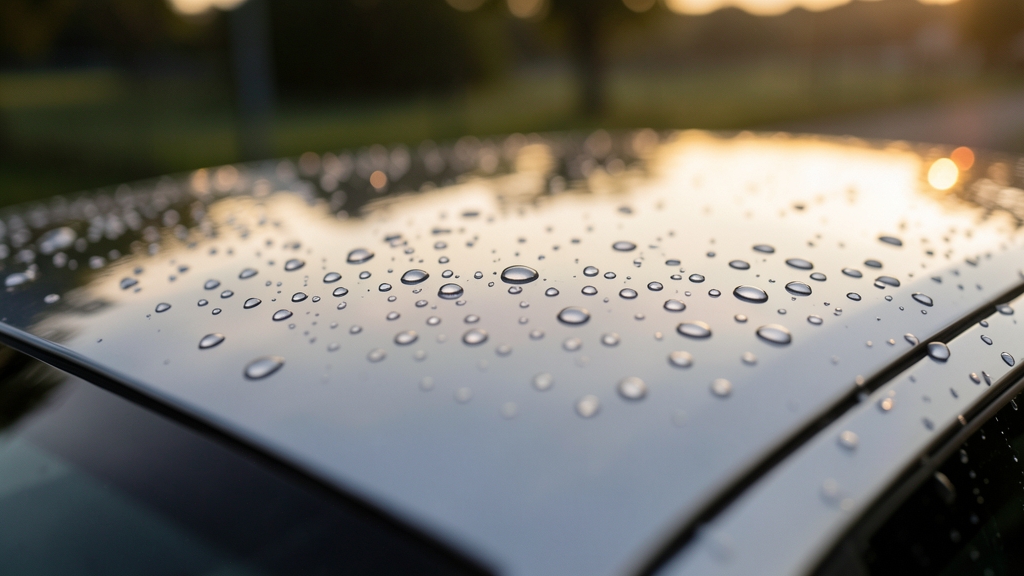
A flawless ceramic coating starts with a flawless surface. Clay bars remove embedded contaminants that washing can’t touch, ensuring your paint is truly clean before protection is applied. Without this step, even a high-quality ceramic coating in Albuquerque won’t bond properly or last as long.
What a Clay Bar Actually Does on Your Paint
Clay bars lift and trap microscopic contaminants like iron particles, tar, and industrial fallout that bond to your clear coat over time. These invisible grits cause swirl marks during polishing if left untreated.
Unlike wax or sealants, a clay bar doesn’t add shine—it removes the barriers that prevent shine. Think of it as a deep-cleaning step that preps the surface for correction and coating adhesion.
Signs Your Car Needs Clay Bar Treatment Before Ceramic Coating
Run your fingers over the paint after washing. If it feels rough or gritty, embedded contaminants are present. This is common in Albuquerque due to dust storms and road debris.
Water spots that won’t wash off or a hazy appearance after drying are red flags. These often indicate mineral deposits or overspray that clay can safely remove.
Applying ceramic coating over contaminated paint leads to premature failure. The coating bonds to the contaminants, not your clear coat, reducing durability and gloss.
Clay Bar vs. Clay Mitt vs. Clay Towel: Which Works Best?
Traditional clay bars offer the most aggressive contamination removal but require careful handling to avoid dropping them. They’re ideal for heavily contaminated vehicles, common in areas like Rio Rancho or Los Lunas with high dust exposure.
| Tool | Contamination Removal | Ease of Use | Risk of Marring |
|---|---|---|---|
| Clay Bar | High | Moderate | Moderate |
| Clay Mitt | Medium-High | High | Low |
| Clay Towel | Medium | High | Low |
The Step-by-Step Clay Bar Process We Use
We always start with a thorough wash using pH-neutral shampoo to remove loose dirt. This prevents scratching the paint during the clay process.
The clay is worked in straight lines, not circles, using a dedicated lubricant to glide smoothly. This minimizes micro-marring, especially on softer clear coats found on many modern vehicles.
After claying, we inspect the surface with a high-intensity light to confirm all contaminants are gone. This is critical before moving to paint correction or applying ceramic coating in Corrales or Bernalillo.
Pre-Clay Prep Checklist
- Wash vehicle with pH-neutral shampoo
- Dry completely with microfiber towels
- Work in shaded area to prevent lubricant evaporation
- Use fresh clay for each vehicle to avoid cross-contamination
How Clay Bars Work with Paint Correction for Ceramic Coating
Claying is the first step in our paint correction process. It removes surface contaminants so the polishing compounds can focus on correcting swirls, scratches, and oxidation without grinding in grit.
In Albuquerque’s high-UV climate, oxidation is a common issue. Claying helps remove the oxidized layer, allowing our dual-action polishers to restore depth and clarity to the paint.
Common Mistakes to Avoid When Using Clay Bars
Using dish soap or household cleaners as lubricants can break down the clay and damage paint. Always use a dedicated clay lubricant or diluted car shampoo.
Reusing a dropped clay bar risks embedding the very contaminants you’re trying to remove. When in doubt, replace it—it’s a small cost compared to the risk of swirls.
For heavy iron deposits, we often use an iron-removing spray before claying. This chemically dissolves embedded particles, making the clay’s job easier and reducing the risk of marring.
Clay Bars and Ceramic Coating Longevity in New Mexico’s Climate
Albuquerque’s intense sun and temperature swings accelerate paint degradation. Claying removes the contaminants that UV rays and heat bind to the surface, ensuring the ceramic coating adheres to clean, stable paint.
For fleet and commercial vehicles in Los Ranchos de Albuquerque, regular clay bar treatments extend the life of ceramic coatings by preventing buildup that can etch into the clear coat over time.
Beyond Clay: The Full Prep for Ceramic Coating Success
After claying, we perform paint correction to remove swirls, scratches, and oxidation. This step is non-negotiable for achieving a mirror finish that ceramic coatings amplify.
For vehicles needing extra protection, we often combine ceramic coating with paint protection film (PPF) on high-impact areas. This hybrid approach is popular among enthusiasts in Corrales and Rio Rancho.
How to Safely Clay Bar Your Car Before Ceramic Coating
Follow these steps to ensure your paint is contaminant-free and ready for correction and coating.
- 1Wash and Dry
Clean the vehicle with pH-neutral shampoo and dry thoroughly with microfiber towels to remove loose dirt.
- 2Apply Lubricant
Spray a clay-specific lubricant or diluted car shampoo onto a small section of the paint.
- 3Work the Clay
Gently glide the clay bar over the lubricated area in straight lines, flipping the bar frequently to expose a clean surface.
- 4Wipe and Inspect
Wipe the area dry with a microfiber towel and inspect for smoothness. Repeat until the entire vehicle is contaminant-free.
- 5Final Prep
Follow with a final wash to remove any lubricant residue before proceeding to paint correction or ceramic coating.
Frequently Asked Questions
How often should I clay bar my car before ceramic coating in Albuquerque?
For most vehicles, we recommend claying every 6–12 months, depending on exposure. In dusty areas like Los Lunas, more frequent treatments may be needed to maintain a clean surface for the coating.
Can I skip claying if my car looks clean?
No. Even a freshly washed car can have embedded contaminants invisible to the naked eye. Claying ensures the ceramic coating bonds directly to the paint, not to hidden grit.
Will claying remove scratches or swirl marks?
Clay bars remove contaminants but won’t fix scratches or swirls. Those require paint correction with polishing compounds after claying.
Is claying safe for all paint types, including matte finishes?
Claying is safe for most paint types, but matte or satin finishes require extra care. We use gentler clay and techniques to avoid altering the texture. Always consult a professional for specialty finishes.
What’s the difference between a clay bar and a clay mitt for ceramic coating prep?
Clay bars offer deeper contamination removal but require more skill to avoid marring. Clay mitts are easier to use and gentler, making them a good choice for maintenance between full clay bar treatments.
Do you offer clay bar services as part of your ceramic coating packages in Albuquerque?
Yes, we include thorough decontamination with clay bars as a standard part of our paint correction and ceramic coating process. Proper prep is key to the longevity and performance of the coating.