The Truth About Hydrophobic Performance in Top Ceramic Coatings for Albuquerque Cars in Ceramic Coating Albuquerque
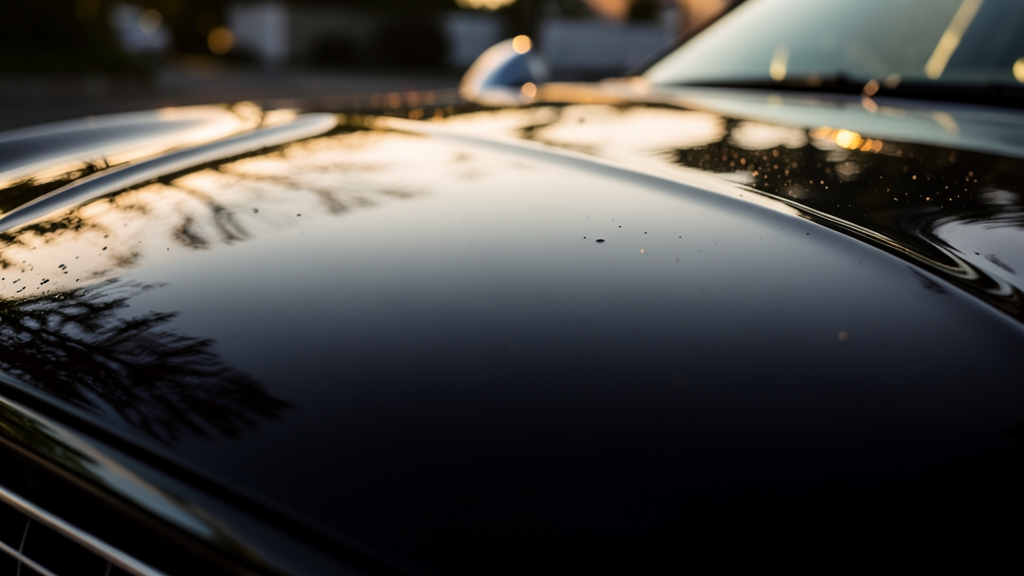
Albuquerque’s intense sun, monsoon rains, and dust storms demand more than a basic wax. Hydrophobic ceramic coatings create a barrier that repels water, resists UV fading, and keeps your paint looking sharper for years. We break down how top-tier coatings perform under New Mexico’s toughest conditions.
What Makes a Ceramic Coating Hydrophobic?
Hydrophobicity in ceramic coatings comes from SiO2 (silicon dioxide) nanoparticles that form a tight, non-porous layer over your clear coat. This structure forces water to bead up and roll off, carrying dirt and contaminants with it.
The water contact angle—how steeply water beads—measures hydrophobicity. Premium coatings achieve 110°–120°, while budget options may only hit 90°–100°. Higher angles mean better repellency.
A true hydrophobic coating won’t just bead water—it’ll shed it at speeds as low as 20 mph. Test this on the I-40 after a monsoon downpour.
Hydrophobic vs. Hydrophilic: Why It Matters in New Mexico
Hydrophilic coatings attract water, which can be useful for windshields (think rain-repellent wipers). But for paint, hydrophobic is king—especially in Albuquerque, where dust clings to wet surfaces after storms.
Our dry climate means water spots are a constant threat. Hydrophobic coatings prevent mineral deposits from bonding to your paint, reducing the need for frequent washes in areas like Corrales or Rio Rancho.
How Albuquerque’s Climate Tests Hydrophobic Coatings
UV exposure here is brutal—300+ sunny days a year. Quality ceramic coatings block 99% of UV rays, preventing oxidation that dulls hydrophobicity over time.
Monsoon season brings sudden, heavy downpours. A strong hydrophobic layer ensures water sheets off before it can etch contaminants into your paint, a common issue for cars parked near the Sandia foothills.
Winter road salt and spring pollen are no match for a well-applied coating. The slick surface makes cleanup easier, whether you’re in Los Lunas or Bernalillo.
Hydrophobic Performance: Premium vs. Budget Coatings
Not all ceramic coatings are created equal. Premium formulas like those we use in Los Ranchos de Albuquerque contain higher SiO2 concentrations and advanced polymers for deeper hydrophobicity and longevity.
Budget coatings may offer initial beading but degrade faster under UV and lose their water-repellent properties within a year. They also lack the 9H hardness needed to resist swirl marks from dust storms.
| Feature | Premium Ceramic Coating | Budget Ceramic Coating |
|---|---|---|
| Water Contact Angle | 110°–120° | 90°–100° |
| UV Resistance | 99%+ blockage | Moderate |
| Lifespan | 3–5+ years | 6–12 months |
| Self-Cleaning Effect | High (sheds dirt easily) | Low (minimal beading) |
| Hardness Rating | 9H | 3H–5H |
| Dust Repellency | Excellent | Poor |
Does Hydrophobic Mean Maintenance-Free?
No coating eliminates the need for washing. Hydrophobic properties reduce how often you need to clean, but dust and pollen still accumulate. A bi-weekly rinse in areas like Rio Rancho keeps the coating performing optimally.
Avoid automatic car washes with harsh brushes—they can strip hydrophobic layers. Instead, use a pH-neutral shampoo and microfiber towels to preserve the beading effect.
Never use dish soap or degreasers on a ceramic-coated car. These break down the hydrophobic polymers, shortening the coating’s life.
Pairing Hydrophobic Coatings with Other Protections
For maximum defense, we often combine ceramic coatings with Paint Protection Film (PPF) on high-impact areas like hoods and bumpers. PPF absorbs rock chips, while the coating adds hydrophobicity and gloss.
Ceramic window tint complements paint coatings by reducing interior UV damage and heat. In Albuquerque’s summer, this combo keeps your car cooler and your hydrophobic layer lasting longer.
Wheel and brake caliper coatings are a smart add-on. Brake dust is highly abrasive and can degrade paint over time. A hydrophobic layer on wheels makes cleaning them a breeze.
Real-World Hydrophobic Testing in Albuquerque
We’ve tested coatings on vehicles driven daily from the Westside to the Heights. After a monsoon, cars with premium coatings show near-complete water shedding, while budget-coated cars retain water spots.
Dust storms in the South Valley are another proving ground. Hydrophobic coatings prevent fine sand from embedding in the paint, reducing the risk of scratches during cleanup.
Signs Your Coating’s Hydrophobicity Is Fading
- Water no longer beads into tight droplets
- Dirt and dust cling to the surface after rain
- Paint feels rougher to the touch
- Water spots are harder to remove
How to Maintain Hydrophobic Performance on Your Coating
Keeping your ceramic coating’s water-repellent properties at peak performance requires the right care.
- 1Wash Regularly with pH-Neutral Shampoo
Use a ceramic-safe car shampoo every 2 weeks to remove contaminants without stripping the hydrophobic layer. Avoid harsh chemicals.
- 2Dry with a Microfiber Towel
After washing, dry your car with a plush microfiber towel to prevent water spots. Never air-dry in Albuquerque’s hard water.
- 3Reapply a Top-Up Spray
Every 6–12 months, use a SiO2-based spray sealant to refresh hydrophobicity. This extends the life of your base coating.
- 4Avoid Automatic Car Washes
Brushes and harsh detergents in automatic washes degrade hydrophobic properties. Stick to touchless or hand washes.
- 5Address Swirl Marks Promptly
If swirls appear, have a professional perform paint correction before they compromise the coating’s integrity and hydrophobicity.
Frequently Asked Questions
How long does the hydrophobic effect last on a ceramic coating in Albuquerque?
With proper care, premium ceramic coatings maintain strong hydrophobicity for 3–5 years. Albuquerque’s UV and dust can shorten this if the car isn’t washed regularly. Budget coatings may lose effectiveness in under a year.
Can I apply a hydrophobic spray wax over my ceramic coating?
Yes, but choose a spray with SiO2 or ceramic polymers. Traditional carnauba waxes won’t bond properly and may leave residue. Sprays can boost hydrophobicity between full coating applications.
Why does my ceramic coating stop beading water after a few months?
This usually means the top layer has degraded due to improper washing, UV exposure, or contamination buildup. A professional inspection can determine if it’s time for a refresh or a new coating.
Is hydrophobic performance the same as self-cleaning?
Hydrophobicity aids self-cleaning by helping water carry away dirt, but it’s not a magic solution. You’ll still need to wash your car, especially in dusty areas like Bernalillo or Los Lunas.
Does ceramic coating hydrophobicity work on matte paint?
Most hydrophobic ceramic coatings are designed for glossy finishes. Matte paints require specialized coatings that enhance water repellency without adding shine. We offer both in Ceramic Coating Albuquerque.
Can I get a hydrophobic coating for my fleet vehicles in Los Ranchos de Albuquerque?
Absolutely. Fleet vehicles benefit greatly from hydrophobic ceramic coatings, as they reduce cleaning time and protect against the wear of frequent use. We offer tailored solutions for commercial clients.