Ceramic Coating in Albuquerque: Shielding Your Ride from High-Desert Harshness in Ceramic Coating Albuquerque, NM
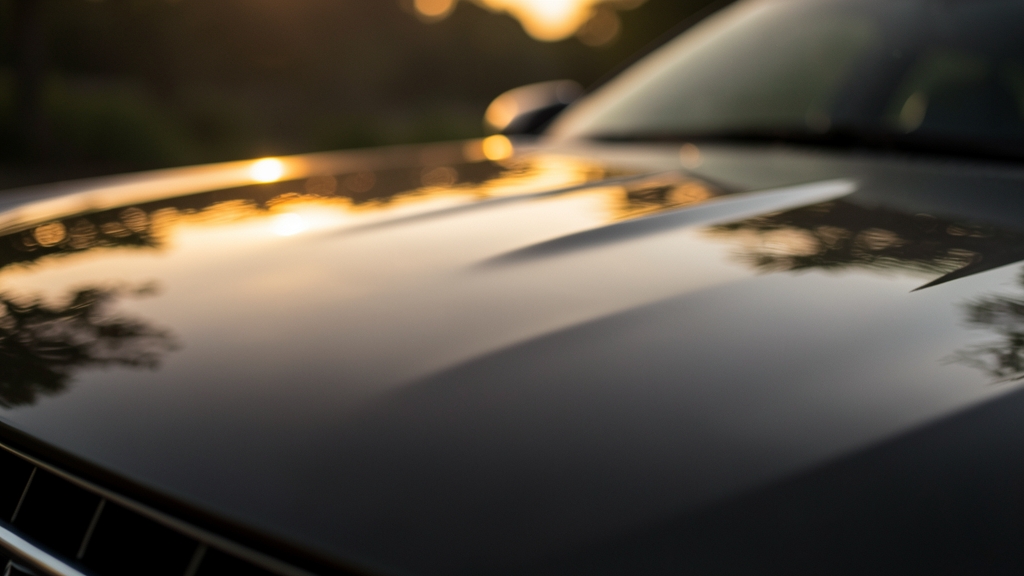
Albuquerque’s high-desert climate is tough on vehicle paint—intense UV, blowing sand, and dramatic temperature swings accelerate fading and damage. We apply professional-grade ceramic coatings that bond at the molecular level, creating a hydrophobic shield that repels contaminants and preserves your car’s finish for years.
Why Albuquerque’s Climate Demands Ceramic Coating
At 5,000+ feet, UV rays are up to 25% stronger here than at sea level, breaking down clear coat and pigment faster. A quality ceramic coating adds a sacrificial layer that absorbs this punishment instead of your paint.
Sand and dust from the Rio Grande Valley and West Mesa act like fine sandpaper, etching micro-scratches into unprotected surfaces. Our coatings use 9H-rated nano-ceramics to resist this abrasion.
Winter road salt and summer monsoons introduce corrosive elements. The hydrophobic top layer sheds water and dissolved minerals, preventing water spots and chemical etching.
Ceramic Coating vs. Wax vs. Sealant vs. Paint Protection Film
Not all protection is equal. Wax and sealants offer temporary gloss and minor UV defense but degrade in weeks. Ceramic coatings last 2–5+ years with proper care.
| Solution | Durability | UV Protection | Scratch Resistance | Hydrophobic Effect | Self-Healing |
|---|---|---|---|---|---|
| Carnauba Wax | 1–3 months | Low | None | Mild | No |
| Synthetic Sealant | 4–6 months | Moderate | Minimal | Moderate | No |
| Ceramic Coating | 2–5+ years | High | High (9H hardness) | Strong | Limited (some products) |
| Paint Protection Film (PPF) | 5–10+ years | High | High (self-healing top coat) | Moderate | Yes |
The Science Behind Nano-Ceramic Protection
Our coatings use silicon dioxide (SiO2) and titanium dioxide (TiO2) nanoparticles that chemically bond with your vehicle’s clear coat. This creates a semi-permanent layer that’s far harder than factory paint.
The molecular structure fills microscopic pores, leveling the surface for a mirror-like gloss. It also repels water, oils, and contaminants, making washing easier and reducing swirl marks from improper drying.
Unlike spray-on consumer products, professional-grade ceramics require precise application. We control thickness, layering, and curing to maximize durability in our dry, sunny climate.
Multiple thin layers outperform a single thick coat. We often apply 2–3 layers for Albuquerque vehicles, ensuring even coverage on curves and edges where UV hits hardest.
Prep Work: The Foundation of a Flawless Coating
A ceramic coating amplifies your paint’s condition—including its flaws. That’s why we start with a thorough decontamination: clay bar treatment removes embedded iron particles and industrial fallout.
Next comes paint correction. Using dual-action polishers and fine abrasives, we eliminate swirls, oxidation, and light scratches. This step is non-negotiable for a showroom-quality finish.
For vehicles with deeper damage, we may recommend paint protection film (PPF) on high-impact areas like the hood, bumper, and rocker panels before applying the ceramic coating.
Essential Pre-Coating Steps
- Full exterior wash with pH-neutral soap
- Iron contaminant removal (iron remover spray)
- Clay bar decontamination
- Paint thickness measurement (to avoid over-polishing)
- Multi-stage polishing for defect removal
- Final IPA wipe-down to remove oils and residues
What Ceramic Coating Protects Against (and What It Doesn’t)
Ceramic coatings excel at repelling water, bird droppings, tree sap, and bug splatter. Their chemical resistance means acid rain and road tar won’t etch your paint as easily.
They also provide a strong defense against UV oxidation, which is critical in Albuquerque’s high-altitude sunlight. Your paint stays vibrant longer, and fading is significantly slowed.
However, they’re not invincible. Heavy impacts from road debris can still chip paint. For full protection, we often pair coatings with PPF on vulnerable areas.
While 9H hardness resists light scratches, a ceramic coating won’t stop rock chips or deep key scratches. For that, consider PPF on high-risk panels.
Ceramic Coating for Wheels, Glass, and Interiors
Your wheels take a beating from brake dust, which is highly corrosive. A ceramic wheel coating makes cleaning easier and prevents pitting on alloy surfaces. We also offer brake caliper coating for a custom, protected look.
Ceramic window tint reduces glare, blocks UV, and improves heat rejection—critical for Albuquerque’s sunny days. Unlike traditional tint, ceramic films don’t fade or bubble over time.
Inside your vehicle, ceramic interior protection guards dashboards, leather, and trim from UV cracking and stains. It’s especially useful for families, pets, or frequent road-trippers heading to Santa Fe or Taos.
Maintenance: Keeping Your Coating in Peak Condition
Ceramic coatings aren’t maintenance-free, but they drastically reduce upkeep. We recommend washing your vehicle every 2 weeks with a pH-neutral shampoo to prevent dirt buildup.
Avoid automatic car washes with harsh brushes—they can introduce swirl marks. Instead, use the two-bucket method and microfiber towels for drying.
Every 6–12 months, a maintenance spray or ceramic boost can refresh the hydrophobic properties. For heavy contamination, a light clay bar treatment may be needed before reapplying a top-up layer.
Serving Albuquerque and Beyond
Our mobile team brings professional ceramic coating services to you, whether you’re in the North Valley, Uptown, or the South Valley. We also serve Rio Rancho, Corrales, Bernalillo, Los Lunas, and Los Ranchos de Albuquerque.
For fleet vehicles or commercial clients, we offer tailored packages that minimize downtime. Ceramic coatings on work trucks and vans reduce cleaning time and maintain a professional appearance.
Not sure if ceramic coating is right for your vehicle? Request a quote. We’ll assess your paint’s condition, discuss your driving habits, and recommend a protection plan for Albuquerque’s unique challenges.
How to Choose the Right Ceramic Coating for Your Vehicle
Choosing a ceramic coating depends on your goals, budget, and how you use your vehicle.
- 1Assess Your Paint’s Condition
If your paint has heavy swirls or oxidation, start with paint correction. For new or well-maintained vehicles, a coating can be applied directly after decontamination.
- 2Determine Your Durability Needs
Daily drivers in Albuquerque benefit from 3–5 year coatings. Show cars or garage-queens may only need a 2-year product for easier refresh cycles.
- 3Consider Additional Protection
For off-roaders or highway commuters, pair ceramic coating with PPF on high-impact areas. For luxury vehicles, add ceramic window tint and interior protection.
- 4Evaluate Hydrophobic and Gloss Levels
Higher-end coatings offer stronger water beading and deeper gloss. If you prioritize ease of cleaning, look for products with advanced hydrophobic formulas.
- 5Consult a Professional
DIY kits exist, but professional application ensures even coverage, proper curing, and maximum longevity. We’ll help you weigh options like single-stage vs. multi-layer systems.
Frequently Asked Questions
How long does ceramic coating last in Albuquerque’s climate?
With proper prep and maintenance, professional ceramic coatings typically last 2–5+ years here. The intense UV and temperature swings can shorten lifespan slightly, but regular washing and annual boosts extend durability.
Can ceramic coating be applied to a matte or satin finish?
Yes, but it requires a specialized matte-specific ceramic coating. Standard coatings add gloss, which would ruin a matte finish. We carry products designed to preserve flat or satin paint while adding protection.
Will ceramic coating prevent rock chips on Albuquerque’s highways?
Ceramic coatings add hardness and scratch resistance, but they won’t stop rock chips. For full protection against road debris, we recommend combining a ceramic coating with paint protection film (PPF) on high-impact areas like the hood and bumper.
How does ceramic coating perform in Albuquerque’s winter with road salt?
The hydrophobic layer repels water and dissolved salts, reducing the risk of corrosion and water spots. However, it’s still important to wash your vehicle regularly during winter to remove salt buildup.
Is ceramic coating worth it for an older car in Ceramic Coating Albuquerque?
It depends on the paint’s condition. If your older vehicle has significant clear coat failure or deep scratches, paint correction may be costly. However, if the paint is in decent shape, a coating can restore gloss and add years of protection. Request a quote to assess your specific case.
Can I apply ceramic coating myself, or should I hire a professional?
DIY ceramic coating kits are available, but they lack the durability and finish of professional products. Improper prep or application can lead to streaks, uneven curing, or reduced lifespan. For best results, trust a local expert with climate-specific experience.