Optimal Environmental Conditions for Applying Ceramic Coating in Albuquerque in Ceramic Coating Albuquerque, NM
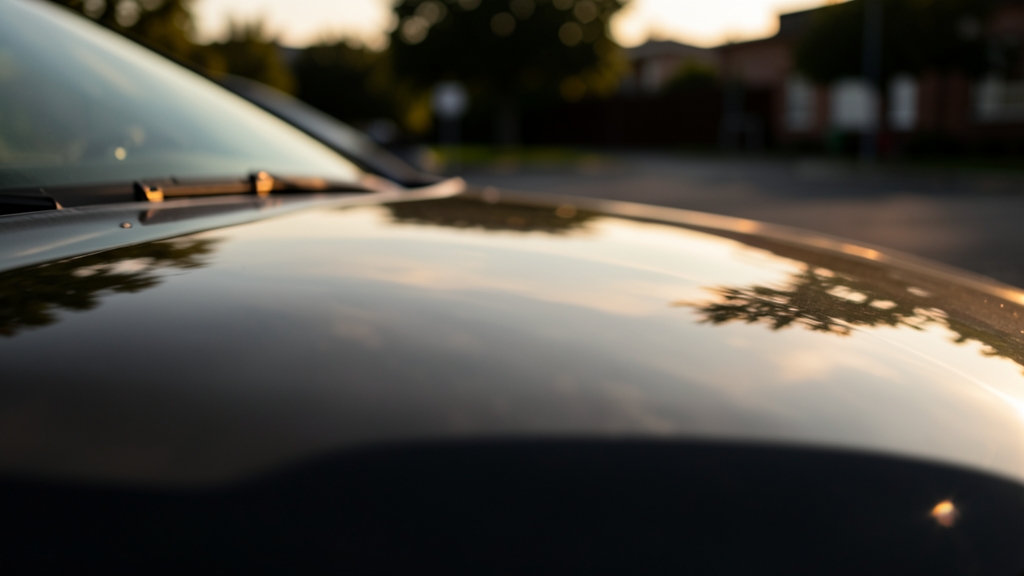
Applying ceramic coating in Albuquerque’s high desert climate demands precision. Our team knows the local weather can make or break a coating’s durability and finish. Here’s how to control the environment for a showroom-quality result.
Why Environmental Conditions Matter for Ceramic Coating
Ceramic coatings bond at a molecular level, forming a hydrophobic shield. Even minor deviations in temperature or humidity can disrupt cross-linking, leading to premature failure or hazing.
Albuquerque’s dry air and intense UV exposure accelerate curing—but also heighten the risk of dust contamination. Proper conditions ensure the coating adheres uniformly and lasts.
Ideal Temperature Range for Application
The sweet spot for most professional-grade ceramic coatings is 60–80°F. Below 50°F, the polymers may not activate properly, while temps above 90°F can cause the product to flash too quickly.
In Albuquerque, early mornings or late afternoons in spring and fall often hit this range. Summer applications may require a climate-controlled bay to avoid overheating the surface.
Humidity: The Silent Saboteur
Humidity above 60% can introduce moisture into the coating, causing clouding or reduced adhesion. Albuquerque’s arid climate usually keeps humidity low, but monsoon season demands extra caution.
We monitor relative humidity closely during prep and application, using a dehumidifier in the workspace to maintain consistency, especially for Full-Vehicle Ceramic Coating jobs.
Avoid outdoor applications during July–September. Even a brief shower can ruin a fresh coating. Indoor bays are non-negotiable this time of year.
Dust and Contaminant Control
Albuquerque’s dusty winds are a ceramic coating’s worst enemy. A single speck of debris trapped under the coating creates a permanent imperfection. We use HEPA-filtered air systems and sealed workspaces.
For Paint Correction & Polishing before coating, we perform a final wipe-down with isopropyl alcohol and a lint-free microfiber to eliminate static-attracted particles.
Surface Temperature vs. Ambient Temperature
Ambient temperature isn’t the same as surface temperature. A car parked in the sun in Rio Rancho can have a surface temp 20–30°F higher than the air. Always use an infrared thermometer to verify.
If the panel is too hot, the coating may not level properly. In Bernalillo or Los Lunas, shaded bays or cooling fans help stabilize the surface before application.
Use a non-contact IR thermometer to check each panel. Aim for 70–85°F surface temp for most coatings. This step is critical in our high-altitude sun.
Curing Time and Post-Application Care
Ceramic coatings begin curing within minutes but reach full hardness in 24–48 hours. Albuquerque’s low humidity speeds this up, but direct sunlight or rain during this window can cause spotting.
We advise customers in Corrales or Los Ranchos de Albuquerque to garage their vehicle for at least 24 hours post-application. Avoid car washes or exposure to bird droppings during this period.
Ceramic Coating vs. Paint Protection Film: Environmental Needs
While ceramic coatings are sensitive to temperature and humidity, Paint Protection Film (PPF) installation has even stricter requirements. PPF demands a dust-free, climate-controlled environment to prevent bubbles or lifting.
For vehicles needing both, we often apply PPF first, then ceramic coating over it. This combo is popular among fleet vehicles in Albuquerque for maximum protection.
| Factor | Ceramic Coating | Paint Protection Film (PPF) |
|---|---|---|
| Temperature Range | 60–80°F | 65–75°F |
| Max Humidity | 50–60% | 40–50% |
| Dust Control | Critical | Non-negotiable |
| Curing Time | 24–48 hours | 48–72 hours |
| UV Exposure During Application | Avoid direct sunlight | Must be indoors |
Seasonal Considerations for Albuquerque
Winter’s cold snaps can drop temps below 50°F, making outdoor applications impossible. Our team relies on heated bays for Ceramic Window Tint or Wheel & Brake Caliper Ceramic Coating during these months.
Spring and fall offer the most stable conditions. For Headlight Restoration & Coating, we prefer these seasons to avoid the summer heat or winter chill affecting adhesion.
Pre-Application Seasonal Checklist
- Check 7-day forecast for rain, dust storms, or extreme temps
- Verify workspace climate control (heating/cooling/dehumidifier)
- Inspect vehicle for existing contaminants (tree sap, pollen, road tar)
- Confirm surface temperature with IR thermometer
How to Prepare Your Vehicle for Ceramic Coating Application
Proper prep is 80% of a successful ceramic coating job.
- 1Deep Clean and Decontaminate
Wash the vehicle with a pH-neutral shampoo and use a clay bar to remove embedded contaminants. This step is critical for Interior Ceramic Protection as well.
- 2Paint Correction
Perform Paint Correction & Polishing to eliminate swirls, scratches, or oxidation. The coating will amplify imperfections, not hide them.
- 3Final Surface Wipe-Down
Use a solvent like isopropyl alcohol (70% or higher) to remove any remaining oils or residues. This ensures a clean slate for bonding.
- 4Environmental Verification
Confirm temperature, humidity, and dust levels meet the coating manufacturer’s specs. In Albuquerque, this often means working indoors.
- 5Test Panel
Apply a small amount of coating to an inconspicuous area to verify flash times and adhesion before committing to the full vehicle.
Frequently Asked Questions
Can I apply ceramic coating in Albuquerque’s summer heat?
It’s risky. Surface temps can exceed 100°F, causing the coating to flash too quickly. We recommend a climate-controlled bay or scheduling during cooler months. Request a quote to discuss options.
How does Albuquerque’s altitude affect ceramic coating application?
Higher altitude means thinner air and stronger UV rays. This can speed up curing but also increases the risk of dust contamination. Proper prep and controlled environments mitigate these factors.
Is humidity ever a problem for ceramic coating in Albuquerque?
Rarely, but monsoon season (July–September) can spike humidity. We monitor levels closely and use dehumidifiers to maintain optimal conditions for Ceramic Coating in Rio Rancho or Corrales.
What happens if it rains right after ceramic coating application?
Rain within the first 12–24 hours can cause water spots or prevent proper bonding. Always garage the vehicle or use a covered area post-application, especially in Los Lunas or Bernalillo where sudden showers occur.
Do I need to prep my car differently for ceramic coating in Albuquerque’s dusty climate?
Yes. We perform an extra decontamination step to remove fine dust particles that are common in the high desert. This includes a clay bar treatment and compressed air blow-off before the final wipe-down.
Can ceramic coating be applied to a vehicle with existing paint protection film?
Absolutely. In fact, it’s a popular combo for maximum protection. The PPF handles physical damage, while the ceramic coating adds hydrophobic properties and UV resistance. We often do this for fleet vehicles in Ceramic Coating Albuquerque.