Best Ceramic Coating Formulations to Fight Salt Air Corrosion in New Mexico in Ceramic Coating Albuquerque
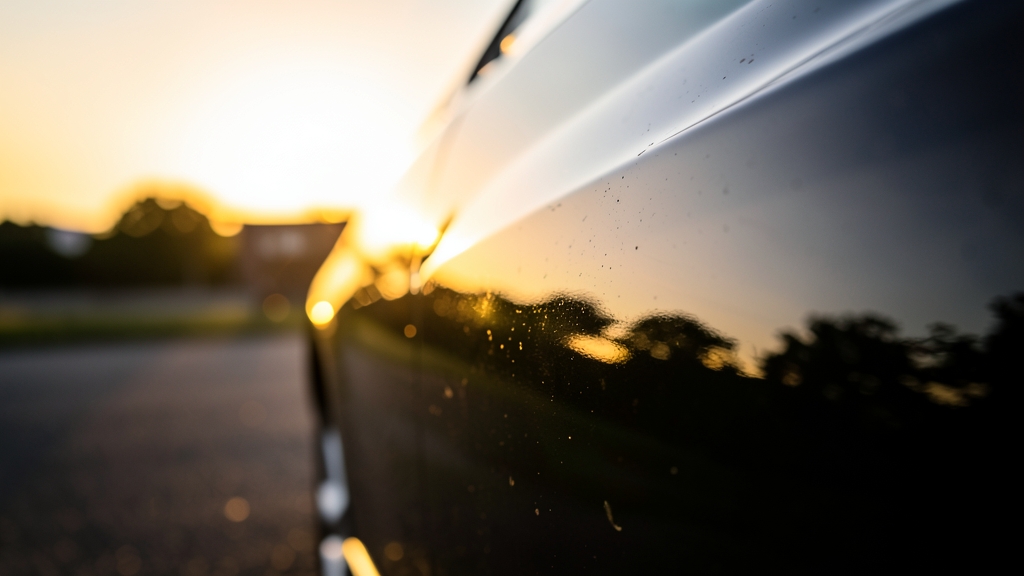
New Mexico’s unique climate—especially near coastal-influenced zones—exposes vehicles to salt air that accelerates oxidation and paint damage. The right ceramic coating formulation can create a hydrophobic, self-cleaning barrier that repels contaminants and preserves your finish long-term. We break down the best options for lasting protection in these conditions.
Why Salt Air Demands Specialized Ceramic Coatings
Salt air carries microscopic particles that embed in clear coat, causing premature oxidation and fading. Unlike standard waxes or sealants, ceramic coatings chemically bond to paint, forming a permanent shield resistant to salt, UV rays, and moisture.
In areas like Los Lunas or Bernalillo, where humidity spikes seasonally, this protection is non-negotiable. Even inland, residual salt from roads or dust storms can linger, making a high-quality ceramic coating a smart investment.
Key Properties to Look for in a Salt-Resistant Ceramic Coating
Hydrophobicity is critical—water should bead and roll off, carrying salt particles with it. Look for coatings with high silica (SiO2) or titanium dioxide (TiO2) content, which enhance durability and UV resistance.
Chemical resistance matters too. A coating rated for pH 2–12 will withstand acidic salt deposits and alkaline cleaners. Thickness (measured in microns) also plays a role; 2–5 microns offers robust protection without compromising clarity.
| Property | Standard Coating | Salt-Optimized Coating |
|---|---|---|
| Hydrophobic Angle | 100–110° | 110–120°+ |
| UV Resistance | Good (80%) | Excellent (95%+) |
| Salt Corrosion Resistance | Moderate | High |
| Durability | 2–3 years | 5–7+ years |
| Self-Cleaning Effect | Basic | Advanced |
Top Ceramic Coating Formulations for New Mexico’s Conditions
Gyeon Ceramic Coatings’ Mohs+ line excels in salt environments, with a multi-layer system that enhances hardness and chemical resistance. Its 9H-rated formula repels salt while maintaining deep gloss.
CarPro’s Cquartz Finest Reserve offers a high silica content (80%+) and a 7-year lifespan, ideal for vehicles in Rio Rancho or Corrales where dust and salt are common. The coating’s flexibility prevents cracking under temperature swings.
For budget-conscious drivers, Ethos Ceramic Coatings’ Pro Series delivers strong salt protection with a 5-year warranty. Its easy application makes it a favorite for DIYers, though professional installation ensures optimal bonding.
For maximum salt resistance, combine a ceramic coating with Paint Protection Film (PPF) on high-impact areas like the hood and bumper. PPF acts as a physical barrier, while the coating adds hydrophobic and UV protection.
How Climate in New Mexico Affects Ceramic Coating Performance
New Mexico’s high altitude and intense UV exposure can degrade lesser coatings faster. Salt air from seasonal humidity or road treatments compounds this, leading to micro-scratches and haze if unprotected.
In Albuquerque’s metro area, temperature fluctuations between day and night stress paint and coatings. A formulation with thermal stability (up to 800°C) prevents delamination or yellowing over time.
Preparation: The Foundation of Long-Lasting Protection
No ceramic coating adheres well to contaminated or imperfect paint. Paint Correction & Polishing removes swirl marks, oxidation, and embedded salt, creating a flawless surface for bonding.
Our team uses a multi-stage decontamination process, including iron remover and clay bar treatments, to ensure salt residues don’t interfere with the coating’s adhesion. Skipping this step risks premature failure.
Essential Pre-Coating Steps
- Wash and decontaminate the vehicle thoroughly
- Perform paint correction to remove defects
- Use a pH-neutral prep spray to remove oils
- Apply the coating in a dust-free environment
- Allow proper curing time (24–48 hours)
Beyond Paint: Protecting Wheels, Glass, and Trim
Salt air doesn’t just attack paint—it corrodes wheels, etches glass, and dulls trim. Wheel & Brake Caliper Ceramic Coating prevents brake dust and salt from pitting alloy surfaces, while Ceramic Window Tint reduces UV damage and improves visibility.
For full protection, consider Interior Ceramic Protection to shield dashboards and leather from salt residue tracked inside. Headlight Restoration & Coating prevents yellowing and maintains clarity in harsh conditions.
Spray-on ceramic products or low-quality sealants won’t withstand New Mexico’s salt exposure. Invest in professional-grade coatings applied by experienced installers for lasting results.
Maintenance Tips to Extend Your Coating’s Life
Even the best ceramic coating needs care. Wash your vehicle every 2 weeks with a pH-neutral shampoo to prevent salt buildup. Avoid automatic car washes with harsh brushes, which can scratch the coating.
Use a ceramic-boosting spray every 3–6 months to replenish hydrophobic properties. For vehicles in Los Ranchos de Albuquerque or other rural areas, more frequent cleaning may be needed due to dust and salt exposure.
How to Choose the Right Ceramic Coating for Salt Air Protection
Selecting the best ceramic coating for New Mexico’s salt air starts with evaluating your vehicle’s needs and exposure levels.
- 1Assess Your Exposure
Determine if your vehicle is frequently exposed to salt air, road salt, or high humidity. Coastal-influenced areas like Corrales or Bernalillo demand higher-grade protection.
- 2Prioritize Hydrophobicity and Durability
Look for coatings with a hydrophobic angle of 110° or higher and a lifespan of at least 5 years. Silica-based formulas (70%+ content) offer the best salt resistance.
- 3Check for UV and Chemical Resistance
Ensure the coating is rated for UV protection (90%+) and chemical resistance (pH 2–12). This prevents fading and etching from salt and environmental contaminants.
- 4Consider Professional Application
While DIY kits exist, professional installation ensures proper surface prep and even application. This is especially critical for high-end vehicles or those in harsh climates.
- 5Plan for Long-Term Maintenance
Factor in the coating’s maintenance requirements. Some need annual boosters, while others are low-maintenance. Pair with PPF for high-impact areas if salt exposure is severe.
Frequently Asked Questions
How long does a ceramic coating last in New Mexico’s salt air conditions?
High-quality ceramic coatings typically last 5–7 years in New Mexico, but salt air can shorten this if maintenance is neglected. Regular washing and reapplying hydrophobic boosters can extend longevity.
Can ceramic coatings prevent rust from salt damage?
Ceramic coatings create a barrier that significantly slows oxidation and rust caused by salt. However, they’re not a substitute for addressing existing rust—Paint Correction & Polishing should be done first.
Is Paint Protection Film (PPF) better than ceramic coating for salt air?
PPF offers superior physical protection against salt-induced scratches and chips, while ceramic coatings provide hydrophobic and UV benefits. For maximum defense in Ceramic Coating Albuquerque, we recommend combining both.
Do ceramic coatings work on older vehicles with existing salt damage?
Yes, but the vehicle must undergo thorough Paint Correction & Polishing to remove oxidation and contaminants before application. Skipping this step will trap damage under the coating.
What’s the difference between consumer-grade and professional ceramic coatings?
Professional coatings use higher concentrations of silica or titanium dioxide, offering better durability, hydrophobicity, and resistance to salt and UV. They also require expert application for optimal bonding.
Are there ceramic coatings specifically for wheels and brake calipers?
Absolutely. Wheel & Brake Caliper Ceramic Coating is formulated to withstand extreme heat and brake dust, which are common in New Mexico’s stop-and-go traffic and salt-exposure areas.